SEO vs. Paid Advertising: Which Marketing Strategy Is Better for Your Business?
Every business wants to attract more customers, increase website traffic, and generate quality leads. But choosing the right digital marketing strategy can be challenging, especially when deciding between Search Engine Optimization (SEO) and paid advertising.
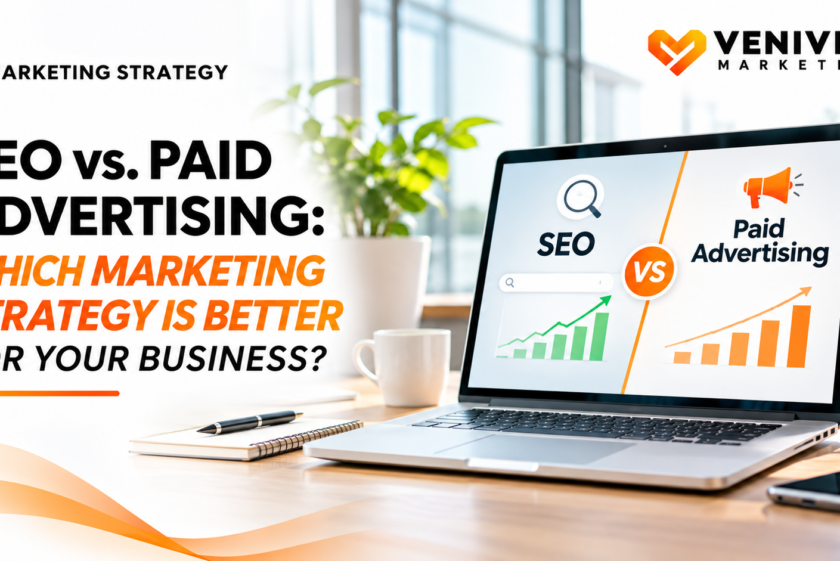
Both strategies help businesses reach potential customers, but they work differently. SEO focuses on improving your website’s visibility in organic search results, while paid advertising helps you reach targeted audiences through sponsored ads.
So, which approach is better for your business? The answer depends on your goals, budget, competition, and how quickly you want to see results. Let’s understand the differences and explore how to choose the right strategy.
What Is SEO (Search Engine Optimization)?
Search Engine Optimization (SEO) is the process of improving your website to increase its visibility in unpaid search engine results. It helps your business appear when potential customers search for products, services, or information related to your industry.
A strong SEO strategy focuses on several important areas:
- Keyword Research: Finding the search terms your potential customers use.
- On-Page SEO: Optimizing website content, headings, titles, and internal links.
- Technical SEO: Improving website speed, mobile usability, indexing, and site structure.
- Off-Page SEO: Building website authority through quality backlinks and brand mentions.
- Content Optimization: Publishing useful and relevant content that answers customer questions.
The biggest advantage of SEO is its long-term potential. Once your website starts ranking for relevant keywords, it can attract organic traffic without paying for every individual click.
However, SEO requires consistent effort, quality content, and regular optimization. Results may take several months, depending on your website’s current performance and competition.
What Is Paid Advertising?
Paid advertising allows businesses to promote their products or services by paying to display ads on search engines, social media platforms, and other websites.
One popular form is Pay-Per-Click (PPC) advertising, where advertisers typically pay when someone clicks on their advertisement.
Common paid advertising platforms include:
- Google Ads
- Microsoft Advertising (Bing Ads)
- Facebook Ads
- Instagram Ads
- LinkedIn Ads
- YouTube Ads
Paid advertising offers businesses an opportunity to reach specific audiences based on factors such as location, interests, search behavior, and demographics.
For example, a local service business can run Google Ads targeting people searching for its services in a particular city.
Unlike SEO, paid campaigns can start generating traffic shortly after launch. However, businesses need to manage their advertising budgets carefully. Once you stop paying for ads, the traffic generated through those campaigns generally stops too.
SEO vs. Paid Advertising: Key Differences
Although both strategies aim to increase online visibility and attract customers, they differ in several ways.
| Factors | SEO | Paid Advertising |
| Traffic Type | Organic traffic | Paid traffic |
| Results | Takes time to build | Can start quickly |
| Cost | Requires ongoing optimization and investment | Requires an advertising budget |
| Long-Term Value | Builds lasting organic visibility | Depends on continued ad spending |
| Click Costs | No direct payment per organic click | Usually charged per click or impression |
| Best For | Sustainable growth | Immediate visibility and targeted campaigns |
Understanding these differences can help you decide where to invest your marketing resources.
Benefits of SEO for Your Business
SEO is a valuable strategy for businesses that want to build a strong online presence and attract customers over time.
1. Builds Long-Term Online Visibility
SEO helps your website appear in relevant search results. With consistent optimization, your pages can continue attracting potential customers even after the initial content is published.
2. Attracts Relevant Visitors
By targeting keywords related to your products and services, SEO helps connect your business with people who are already searching for what you offer.
3. Builds Brand Credibility
Many users trust relevant organic search results. Appearing prominently for useful searches can help establish your business as a reliable source in your industry.
4. Supports Sustainable Growth
Unlike paid campaigns that depend on continuous advertising spend, SEO can build long-term traffic opportunities through optimized pages and valuable content.
Benefits of Paid Advertising for Your Business
Paid advertising is useful when your business needs faster visibility and wants to reach a specific audience.
1. Generates Faster Traffic
Once campaigns are approved and launched, your advertisements can begin appearing to relevant audiences without waiting for organic rankings.
2. Offers Precise Targeting
You can target potential customers based on location, search terms, interests, and other available audience signals.
3. Provides Measurable Performance Data
Advertising platforms provide useful information about impressions, clicks, conversions, and campaign costs. This data helps businesses understand campaign performance.
4. Helps Promote Specific Offers
If you’re launching a new product, promoting a limited-time offer, or entering a new market, paid advertising can help increase visibility quickly.
Should You Choose SEO or Paid Advertising?
The right choice depends on what your business wants to achieve.
Choose SEO if your primary goals include:
- Building long-term organic website traffic.
- Improving search engine rankings.
- Establishing brand authority and credibility.
- Attracting customers through relevant search queries.
- Reducing long-term dependence on paid traffic.
Choose paid advertising if you want to:
- Generate traffic quickly.
- Promote a new product or service.
- Reach a specific target audience.
- Test different marketing messages and offers.
- Support short-term promotional campaigns.
However, choosing only one strategy may limit your growth opportunities.
Why Combining SEO and Paid Advertising Can Deliver Better Results
For many businesses, combining SEO and paid advertising creates a more balanced digital marketing strategy.
SEO helps establish long-term organic visibility, while paid advertising supports immediate traffic and campaign-specific goals.
For example, a business can use Google Ads to generate inquiries while its SEO campaign works toward improving organic rankings. PPC data can also help identify keywords and offers that attract potential customers, which may inform future SEO and content strategies.
The key is to track performance across both channels and understand how each contributes to business growth.
Grow Your Business with the Right Digital Marketing Strategy
There is no single marketing strategy that works perfectly for every business. SEO and paid advertising both offer valuable opportunities, but their effectiveness depends on your business goals, audience, competition, and available budget.
At Veni Vici Marketing, we believe successful marketing starts with understanding your business and creating a strategy that delivers measurable results. Our team provides customized SEO and PPC solutions designed to improve online visibility, attract qualified traffic, and support business growth.
Whether you want to strengthen your organic search presence or launch targeted advertising campaigns, choosing the right approach can make a meaningful difference.
Ready to improve your digital marketing performance? Contact Veni Vici Marketing to discuss your business goals and discover a marketing strategy that works for your brand.